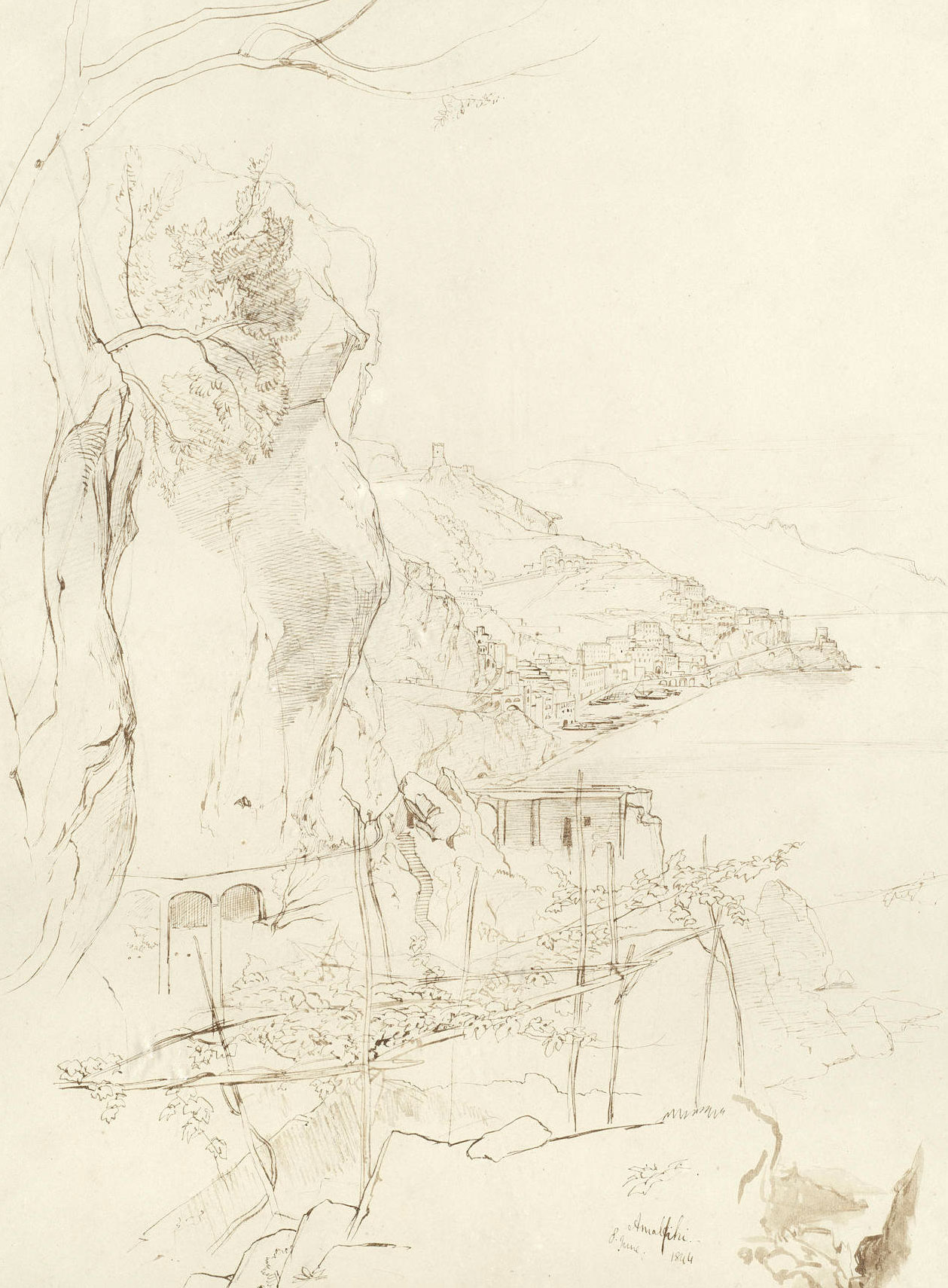
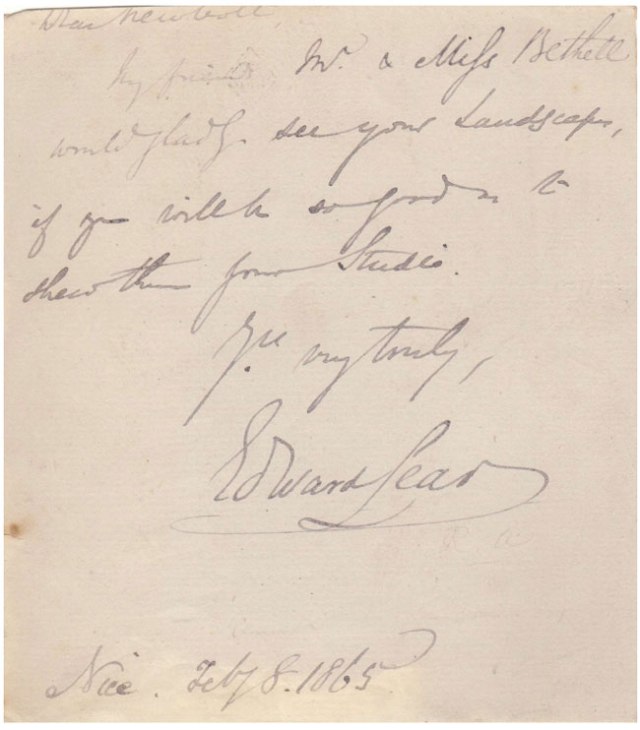
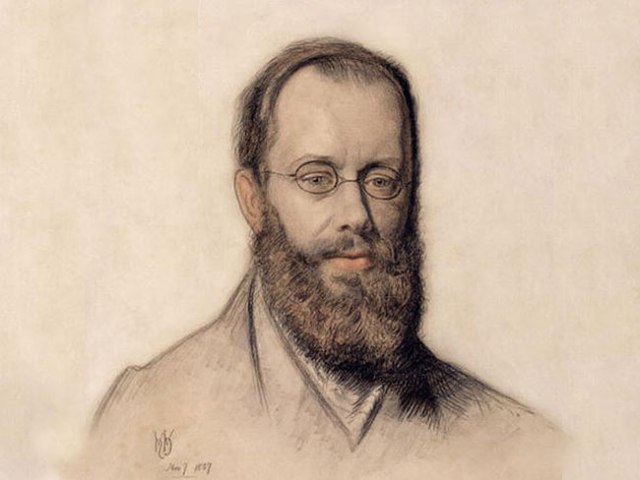
Edward Lear Letters under the Hammer

Several letters by Edward Lear were auctioned last September at Forum Auctions. I would be interested in knowing where they ended up, especially the two containing nonsense and pictures.

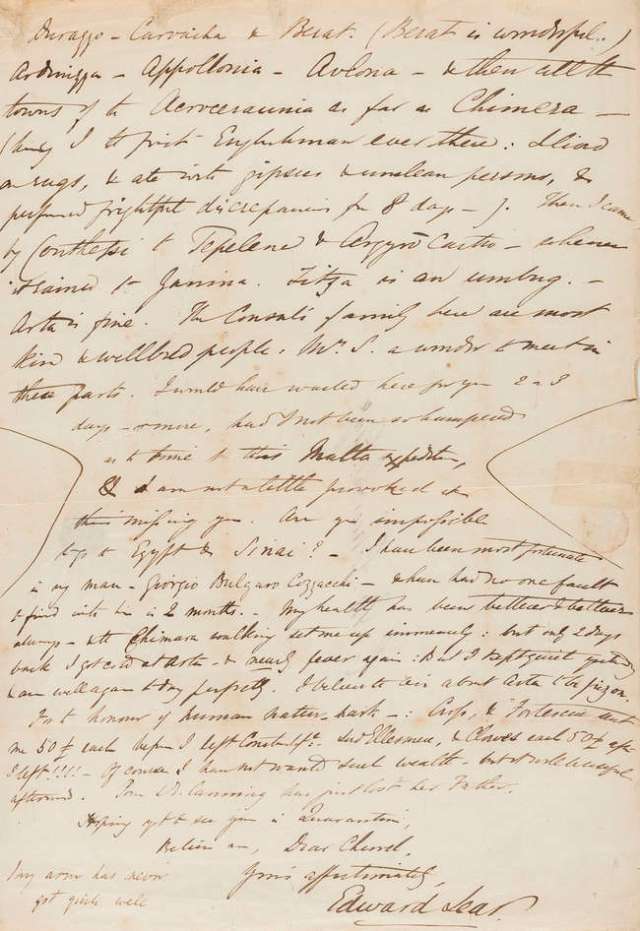
One from 1848 to Charles Church on their travels in Greece and Albania:

10115-6_1

Lot 435
Letters.- Lear (Edward)Autograph Letter to Charles Church, 3pp., folio, Preveza, 10th November 1848, to his travelling companion in Albania and Greece, sketches, monasteries, his servant Giorgio etc.; and a shaken and worn copy of Lear’s “Journal of a Landscape painter in Albania & Illyria”, 20 lithographed plates, foxed and browned, 1851, folio & 8vo (2).
Lear (Edward, landscape painter and writer, 1812-88) Long Autograph Letter signed to Charles Church, 3pp., folio, Prévyza [Preveza, Greece], 10th November 1848, to his travelling companion in Albania and Greece, “O you vagabond… you been arunning about Mashydonia & Epirus, & I not able to catch you? However I hope still to find you obligd to come into Quarantine before I get out of it [in Santa Maura]”, reminding him of their plan to travel independently, “I long to see what sketches you have made. As for me – I have got 219 – bad & good… I could not hold a pencil for cold when at Janina [Ioannina]”, and monasteries in Albania/Greece and elsewhere he has visited, “Resnè [Resen], Ochrida (charming), Tiranna, Scutari, asking Church if he can travel to Egypt and Sinai and his servant Giorgio Kokali [Lear’s servant for twenty-five years, d. August 1883], “I have been most fortunate in my man Giorgio… had no fault to find with him in 2 months, his health, money etc.,folds, slightly creased and browned; and a copy of Lear’s Journal of a landscape Painter in Albania and Illyria, 20 tinted lithographed plates, foxed and browned, contents shaken and working loose, original blind-stamped cloth, edges rubbed, corners bumped, gilt spine, chipped at head with loss, 1851, folio & 8vo (2).
⁂ A fine letter chronicling Lear’s travels in Albania and Greece with his friend Charles Church.
There is “luxury and inconvenience on the one hand, liberty, hard living and filth on the other.” – Edward Lear on Albania.
10115-5_2

10115-5_1

Lot 436
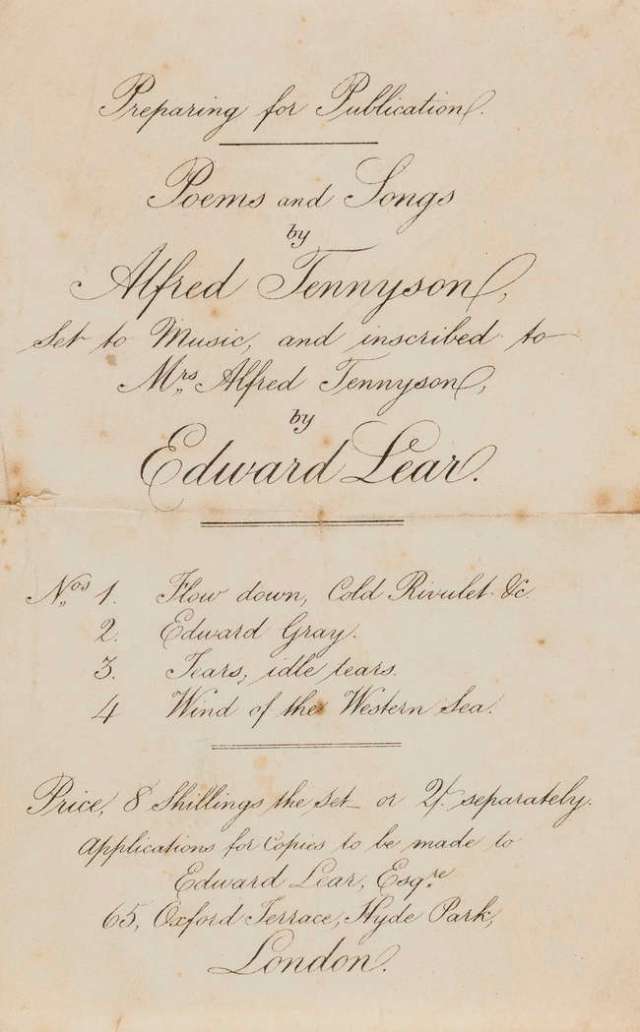
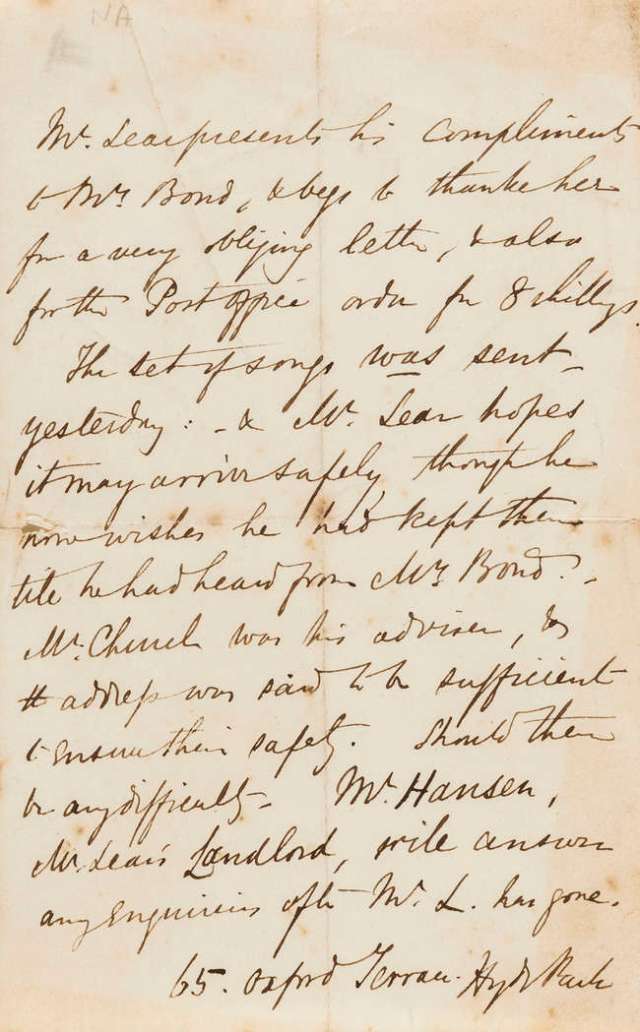
Lear (Edward), Autograph Letter third person to Mrs Bond, 1p., sm. 8vo, 65 Oxford Terrace, Hyde park, [1859], thanking her for a letter and postal order order for 8 shillings and telling her that “the set of songs was sent yesterday…”, written on verso of the advert for “Songs and Poemsby Alfred Tennyson set to music…”, folds, slightly creased and browned; and 2 others, comprising another ALs by Lear, torn and repaired with tape, 1881, and a cut signature of Lear, v.s., v.d. (3).
Lear (Edward, landscape painter and writer, 1812-88) Autograph Letter third person to Mrs Bond, 1p., sm. 8vo, 65 Oxford Terrace, Hyde Park, [1859], thanking her for a letter and postal order for 8 shillings, telling her that “the set of songs was sent yesterday…”, but that he wishes he had kept them until he heard from her as he is worried about their safe arrival, written on verso of the advert for Poem and Songs by Alfred Tennyson…, small hole along folds, slightly creased and browned; and 2 others, comprising another ALs by Lear,torn and repaired with tape, 1881, and a cut signature of Lear’s, v.s., v.d. (3 pieces).
10115-2_1

Lot 437
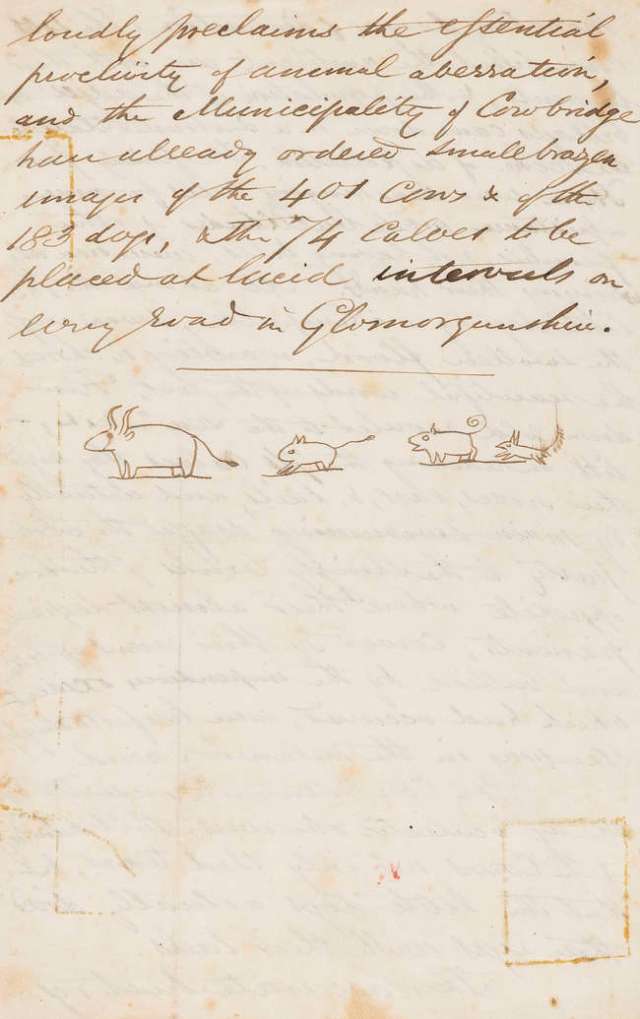
Letters.- Lear (Edward)2 part Autograph Letters to lady Wyatt, 4pp., 8vo, Southwold, 8th September 1869, & n.p., n.d., 2 parts of Nonsense Letters with 2 small pen and ink drawings, folds, some slight marking and browning.

Lear (Edward, landscape painter and writer, 1812-88) 2 part Autograph Letters to Lady Wyatt, 4pp., 8vo, Southwold, 8th September 1869 & n.p. & n.d., 2 parts of “Nonsense” letters with 2 small pen and ink drawings, “All at once the 183 little dogs by a Nimpulse, swam across the swollen flood, warbling in chorus the beautiful words of the poet, ‘Flow down cold revulet to the sea’ – &c &c, – till on reaching the 74 calves they seized their noses, ears, & tails, and… dragged the whole party to the shingly banks of the shore opposite where their almost despairing parients, cowed by their recent affliction and bullied by the impendious oxident which had occurred, were heiferlastingly stamping in the melancholy mud”, tipped-in on card mounts, folds, some slight marking and browning.
⁂ Mary Wyatt (d. 1894), daughter of Iltyd Nicholl of Ham, Glamorgan, wife of Sir Matthew Digby Wyatt (1820-1877), architect and writer on art. Secretary to the executive committee of the Great Exhibition in 1851 and later, first Slade Professor of Fine Arts in Cambridge.
10115-4_1

Lot 438
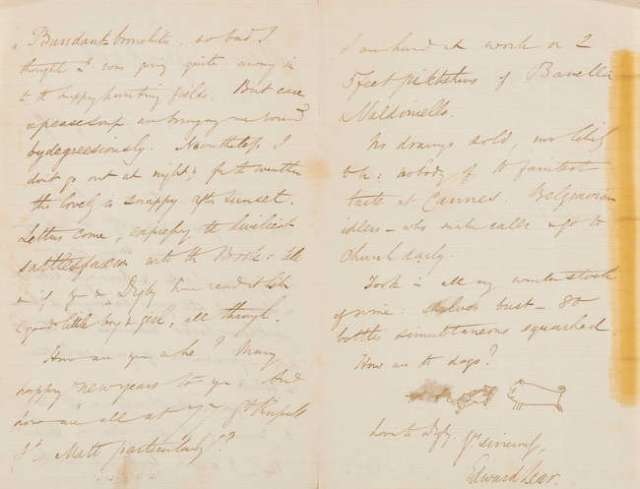
Letters.- Lear (Edward)Autograph letter to Lady Wyatt, together 7pp., 8vo, Pervillium Otel [Pavilion Hotel], Phoaxtn [Folkestone], 9th December 1869 & Maison Guichard, Cannes, 15th January 1870, referring to subscriptions for one of his books, asking her if she has received a copy of the book he has sent her [Journal of a Landscape Painter in Corsica], small pen and ink drawing of a dog and a pig facing each other, last f. margin torn torn and crudely repaired with tape slightly affecting a few letters, folds, aslightly browned (2).
Lear (Edward, landscape painter and writer, 1812-88) 2 Autograph Letters signed to Lady Wyatt, together 7pp., 8vo, Pervillium Otel [Pavilion Hotel], Phoaxtn [Folkestone], 9th December 1869 & Maison Guichârd, Cannes, 15th January 1870, referring to subscriptions for one of his books, “all who see the book seem delighted with it, & really hope it may be a success… I shall now write for 23 months to produce a work wh. will certainly give gt pleasure & instruction to a heap of people”, asking her if “you have got my book & how you like it” [?Journal of a Landscape Painter in Corsica], reporting on his work, “I am hard at work on 2 5 feet pictures of Bavella & Valdoniello. No drawings sold, nor likely to be: nobody of the faintest taste at Cannes: Belgravia idlers – who make calls & go church daily”, and a domestic disaster, “Took in all my winter stock of wine: shelves bust – 80 bottles simultaneously squashed”, and with a small pen and ink drawing of a dog and a pig facing each other, last f. margin torn and crudely repaired with tape slightly affecting a few letters, folds, slightly browned (2).
10115-3_1

Lot 439
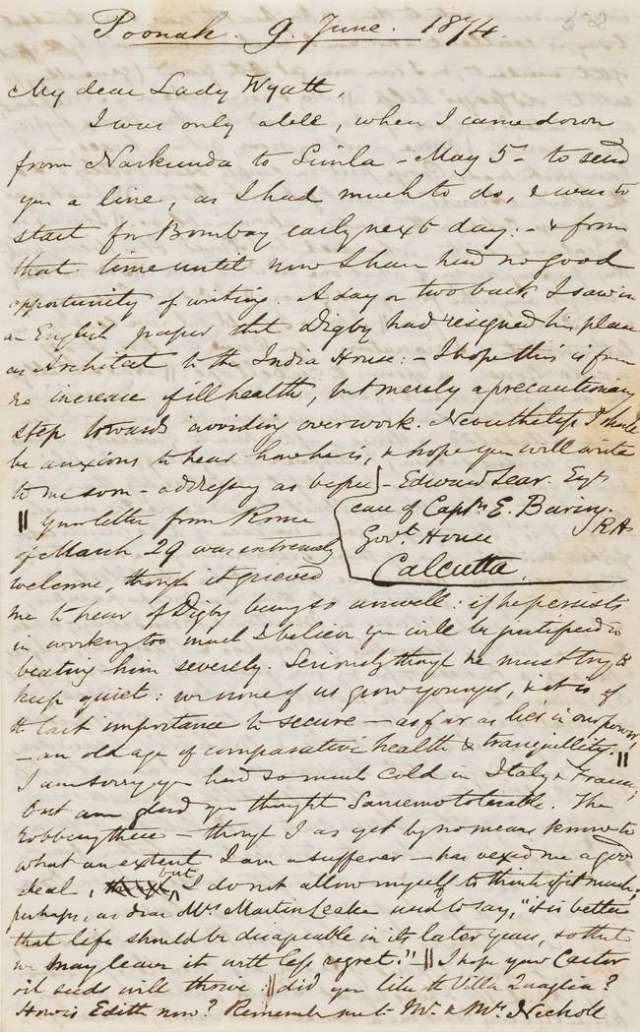
Letters.- Lear (Edward), 2 Autograph Letters (1letter part only) to Lady Wyatt, not signed, 1874, 6pp., 8vo, Bengal, 24th January & 9th June 1874, from India, with some “Nonsense”, Matthew Digtby Wyatt’s health and travelling in India, folds; and a cut signature of Matthew Digby Wyatt, 8vo (3).
Lear (Edward, landscape painter and writer, 1812-88) 2 Autograph Letters (1 letter part only) to Lady Wyatt, not signed, 6pp., 8vo, Bengal, 24th January & 9th June 1874, from India, with some “Nonsense”, “No, I never rode on a Nelephant, & never intend to if I can avoid it – their trunkx frighten me so horridly”, the health of Matthew Digby Wyatt, “A day or two back I saw in an English paper that Digby had resigned his place as architect to the India House: – I hope this is from no increase of ill health, but merely a precautionary step towards avoiding overwork”, and a description of his travels, “Lucknow is always cold in the winter – abominably so… I went for 10 days walk to Narkanda near Thibet, but the vallies were too enormous & Swiss to please me, – the depths of pine too monstrous:- moreover the paths were simply terrible”, folds, slightly browned; and a cut signature of Matthew Digby Wyatt, v.s., v.d. (3).

The whole catalogue for the auction: Fine Books and Works on Paper, London 22 September 2016, is available for download in pdf format.
Posted in Edward Lear | Tagged , , , , , , , , | Leave a comment

Two on Edward Lear

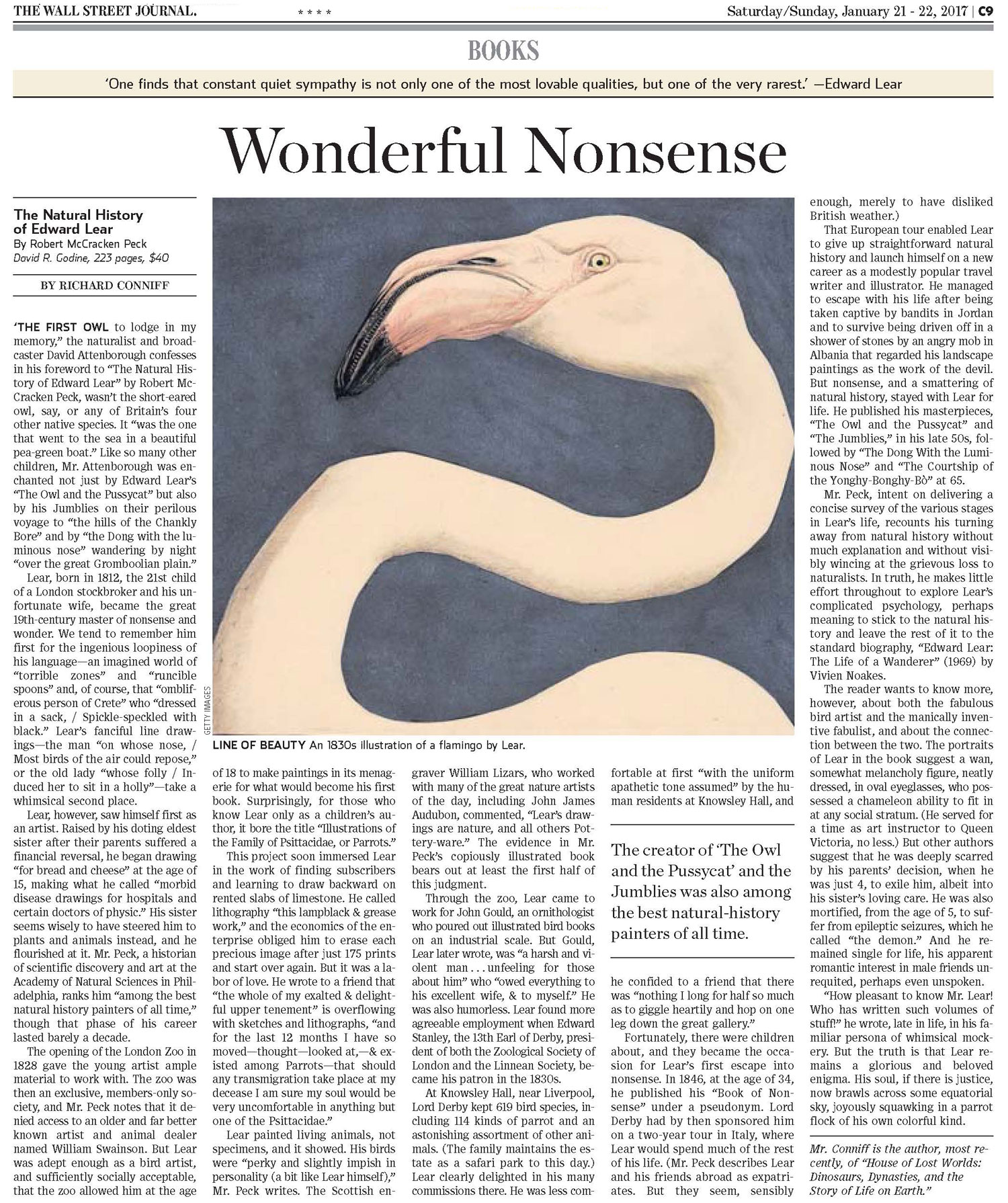
A review of Robert Peck’s new book on Edward Lear’s natural history drawings, from last Saturday’s Wall Street Journal:

wsj-lear-peck-s

John Cremona, “Edward Lear in Gozo in 1866,” The Gozo Observer – Issue 33, Winter 2016 (pdf download).

Also of interest, if you read German:Marika Backes-Natsvlishvili, “Nonsens-Literatur zwischen Dekonstriktion und Innovation.” Vergleichen an der Grenze: Beiträge zu Manfred Schmelings komparatistischen Forschungen. Eds. Backe, Hans-Joachim, Claudia Schmitt and Christiane Solte-Gresser. Würtzburg: Königshausen & Neumann. 75-85.

Posted in Uncategorized | 1 Comment

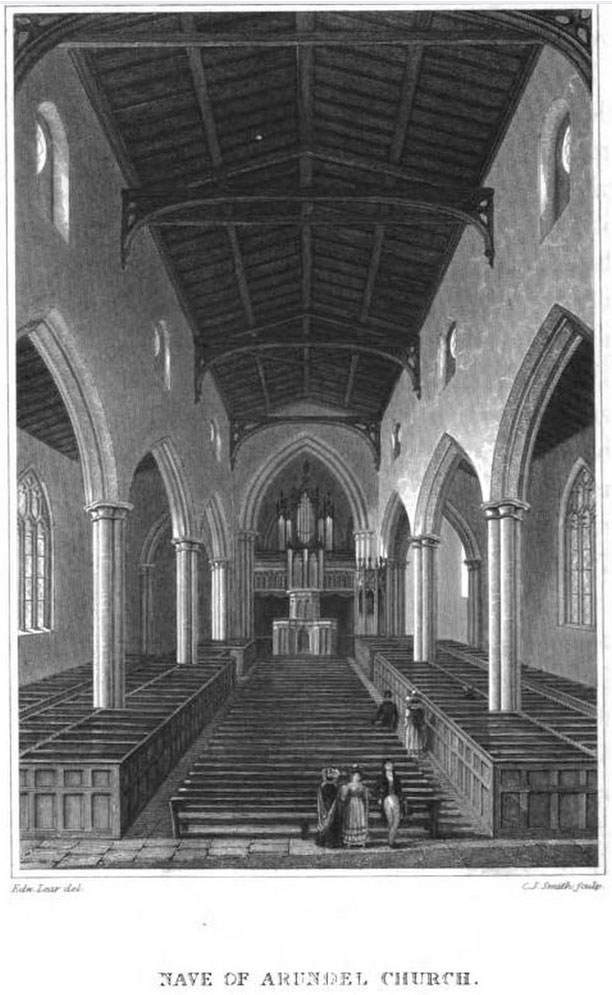
Edward Lear, Nave of Arundel Church

el_arundel-church

“Nave of Arundel Church,” from M.A. Tierney, The History and Antiquities of the Castle and Town of Arundel: Including the Biography of Its Earls, from the Conquest to the Present Time. London: G. And W. Nicol, 1834. Volume 2, facing p. 743.

This is perhaps Edward Lear’s first published non-zoological illustration; he must have made it during one of his frequent visits to Arundel, where his sister Sarah had married and where he met some of his first supporters.

Posted in Edward Lear | Tagged , , , , | Leave a comment

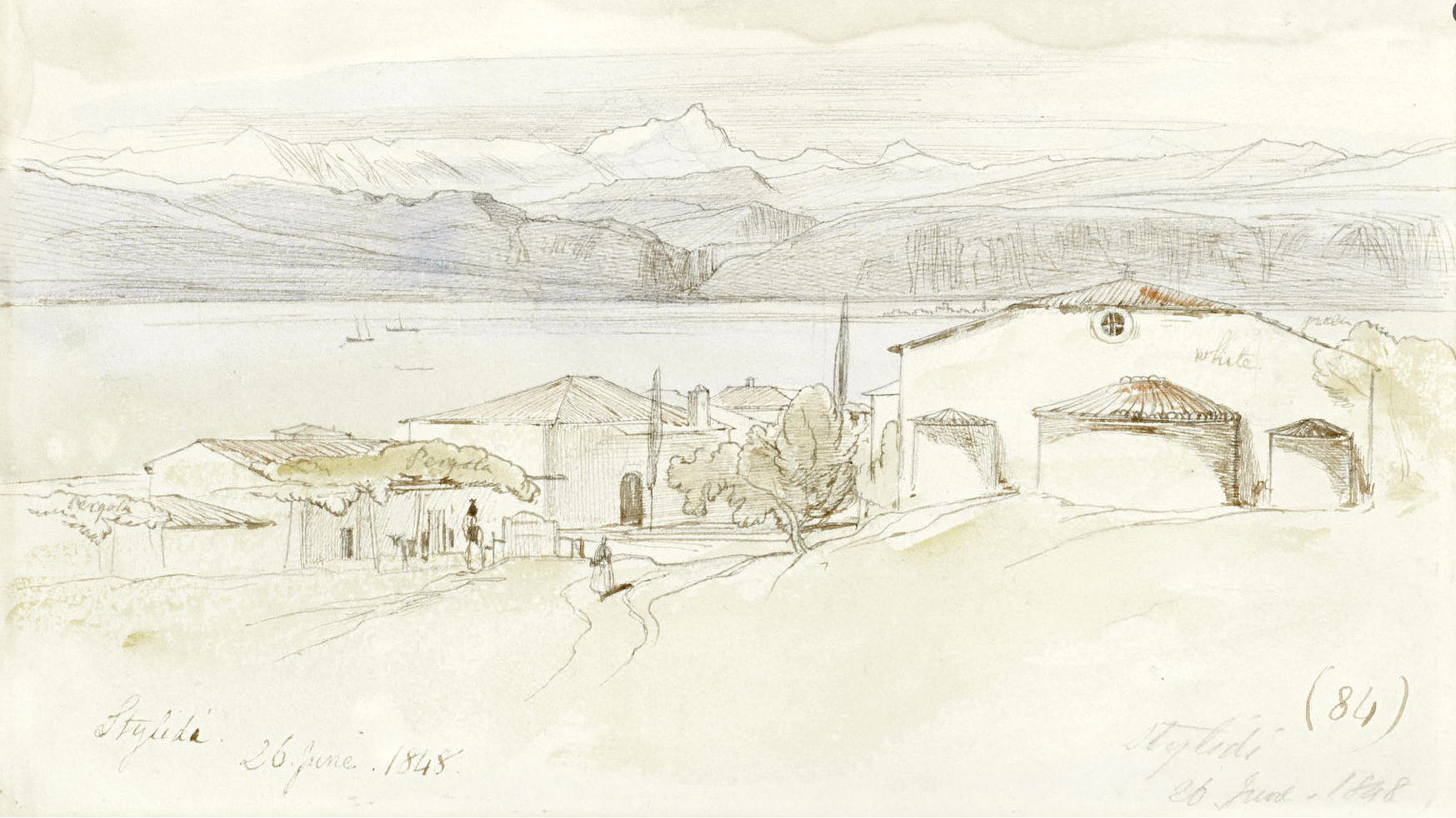
Edward Lear, Stylida (1848)

el_stylida-s

Edward Lear, Stylida, Greece.

Inscribed and dated twice ‘Stylida/26.June.1848’ (lower left and in pencil lower right), also inscribed ‘(84)’ (lower right) with further annotations throughout. Pen and ink and watercolour. 14 x 23.2cm (5 1/2 x 9 1/8in).

Provenance
Lieutenant Colonel C.J.B. Church

Exhibited
Sheffield, Graves Art Gallery, Edward Lear, July 1964, no. 84.

Lt. Col. Church was the grandson of Charles Marcus Church who was Edward Lear’s companion during his earliest travels in Greece in 1848. The two men remained friends until Lear’s death in 1888. Upon his death, Lear bequeathed Charles Church more than 100 sketches made in Greece while they were together.

Bonhams.

Edward Lear’s diary of the journey in Greece with Church.

Posted in Edward Lear | Tagged , , , , | Leave a comment

Edward Lear, Cannes and the Esterel Mountains (1865)

el_cannes-s

Edward Lear, Cannes and the Esterel Mountains, France.
Watercolor with pen and brown ink over traces of pencil; inscribed lower left: Cannes. 8 April 8am 1865, extensively inscribed with color notes. 355 by 555 mm; 13 7/8  by 21 7/8  in.

Lear drew this large-scale and very fine view of Cannes on the morning of 8 April 1865, towards the end of an extended stay in the south of France. He was primarily there to build a body of work for an exhibition that he intended to hold in London later in the year. He based himself at Nice and from there he visited the local towns along the coast. Lear must have found Cannes particularly inspirational for alongside drawing the port and its environs, he also penned his nonsense poems The History of the Seven Families of the Lake of Pipple-Popple.1

1. V. Noakes, Edward Lear 1812-1888, London 1985, p. 172

Provenance:
A. Davidson;
with Agnew’s, London, by 1973;
J.J. Carteer, Paris

Sotheby’s.

Posted in Edward Lear | Tagged , , , , | Leave a comment

Edward Lear, The Plains of Bethany

el_plains-bethany-s

Edward Lear, The Plains of Bethany.
Signed with monogram (lower left). Oil on canvas. 9 ½ x 18 3/8 in. (24.1 x 47.6 cm.)

Jerusalem, with its powerful biblical associations, was the goal of many artist-travellers to the Near East in the 19th Century. Edward Lear, aware of the particular veneration in which the city was held, wrote as early as 1848 of his desire to visit the Holy Land: ‘How I wish someone would pay my way to Palestine; I should like to see Jerusalem of all things’. After two earlier attempts had failed, his journey was eventually enabled by a commission from Lady Waldegrave, one of the most loyal of his patrons. He reached Jerusalem on 27 March 1858, and the next day, Palm Sunday, explored the country immediately outside the walls. The city was crowded with Easter pilgrims however, and he decided to continue his journey south to Petra.

The little village of Bethany lay on the eastern slopes of the Mount of Olives, reputedly the Biblical site of the Tomb of Lazarus, and is now the village of Al-Azariyeh. Lear wrote to Lady Waldegrave about his travels out of Jerusalem: ‘Every path leads you to a fresh thought: – this takes you to Bethany, lovely now as it ever must have been: quiet, still little nook of valley scenery. There is Rephaïm & you see the Philistines crowding over the great plain – Down that ravine you go to Jericho: from that point you see the Jordan and Gilead…I cannot conceive any place on Earth like Jerusalem for astonishing and yet unfailing mines of interest’ (27 May 1858, cited in Lady Strachey, Letters of Edward Lear, London, 1907, p. 107).

This painting, believed to have been executed in 1879, is based on a watercolour sold in these Rooms on 17 November 1992 (lot 104), which is inscribed ‘Bethany/Edward Lear: del. 1858.’ and is dedicated to ‘Miss Baring. Stratton Hall. Mitcheldever. Hants.’ It had passed down by descent to Thomas George Baring, 1st Earl of Northbrook. A larger version of the drawing, without the figures (12¾ x 20in. and inscribed ‘Bethany 25 of April./1858’), was sold in these Rooms on 10 July 1984 (lot 280) as having been in the collection of Franklin Lushington.

The painting is known to have been in the collection of James Parker who, for nearly fifty years, was Curator of European Sculpture and Decorative Arts at the Metropolitan Museum of Art, New York, having previously worked at the Louvre, Paris, and the Victoria & Albert Museum, London. He bequeathed it to Marvin Schwartz, Curator of Decorative Arts at the Brooklyn Museum, later consultant tat the Metropolitan Museum of Art, New York, who originated the weekly ‘Antiques’ column in The New York Times.

We are grateful to Briony Llewellyn for her help in preparing this catalogue entry.

Christie’s.

Posted in Edward Lear | Tagged , , , , | Leave a comment

Edward Lear, The Forest of Bavella

el_bavella-s

Edward Lear, The Forest of Bavella.
Oil on canvas. 57 ½ by 94 ½ in. (146 x 240 cm.), circa 1878-1888.

This monumental view of the pine forest of Bavella, in southern Corsica, is the largest of three known oil paintings that Lear executed of the forest following his expedition to the island during the winter of 1867-68. It illustrates Lear’s unparalleled skill at capturing a sense of grandeur and an epic depth of scale. The drama of the scene created by the imposing pine trees, the cavernous ravine in the centre, and the jagged mountains beyond, is heightened by a sense of tranquillity; only the sound of the falling water breaks the stillness. Using a combination of vivid, quickly-applied brushstrokes with carefully delineated details, Lear demonstrates his supremacy as a topographical draughtsman; despite the separate planes and topographies, he creates an image which is a unified and harmonious whole, both powerful and thrilling. Jeremy Maas wrote that ‘Lear’s genius expressed itself through an improbable fusion of seeming incompatibles into a glorious alchemy: he could paint sublimely romantic landscapes where Western man had scarcely set foot, write travel books, compose Nonsense verse and make Nonsense drawings – all in unstinting, unflagging profusion’ (V. Noakes, ed., Edward Lear 1812-1888, exhibition catalogue, Royal Academy, London, 1985, p. 18).

Lear spent the winter of 1867-68 in Cannes, before leaving for Corsica at the beginning of April 1868. He arrived in Ajaccio on the south-west coast and travelled inland reaching the Forest of Bavella on 28 April. The landscape enthralled him: ‘The colour here is more beautiful than in most mountain passes I have seen, owing to the great variety of underwood foliage and the thick clothing of herbs; forms, too, of granite rocks seem to me more individually interesting than those of other formations; and the singular grace and beauty of the pine-trees has a peculiar charm – their tall stems apparently so slender, and so delicate the proportions of the tuft of foliage crowning them. The whole of this profound gorge, at the very edge of which the road runs, is full of mountain scenes of the utmost splendour, and would furnish pictures by the score to a painter who could remain for a lengthened sojourn’ (E. Lear, Journal of a Landscape Painter in Corsica, London, 1870, p. 91).

While exploring the island he filled pages of his sketchbooks with views. In the two months he was there, Lear made over three-hundred and fifty drawings, carefully annotated with his highly-recognisable colour suggestions, locations and timings. Bewitched by the view at Bavella Lear extended his time in the forest: ‘As I contemplate the glory of this astonishing amphitheatre, I decide to stay at least another day within its limits, and I confess that a journey to Corsica is worth any amount of expense and trouble, if but to look on this scene alone’ (ibid., p. 92).

This painting relates to a pen and ink sketch, presumably based upon an en plein air drawing from his Corsican sketchbooks, which formed part of Lear’s scheme of 1884-5 to illustrate the poetry of Alfred, Lord Tennyson (fig. 1; private collection). He chose this view as a possibility for the line from Tennyson’s Oenone, ‘My tallest pines/My tall dark pines, that plumed the craggy ledge’. The sketch was further worked up into a larger drawing (1884-5, Houghton Library, Harvard University). He had first considered his Tennyson project in 1852, and he began a number of schemes throughout his career in varying sizes and mediums.

The three known pictures in oil of the Bavella forest that Lear executed after his Corsican tour are: this painting; The Forest of Bavella, Corsica, 1868, oil on canvas, 36 x 58 in. (private collection); and The Pine Forest of Bavella, oil on canvas, 6 3/8 x 10 3/8 in. (private collection). The second of these, painted in the same year as his Corsican tour, illustrates the forest through a more schematic composition, showing a group of travellers on a wide granite ledge in the foreground, gazing out over a dense swathe of dark pine trees towards the jagged mountains on the horizon beyond. The removal of the idealised figures in the present painting, combined with Lear’s highly-dramatic and more carefully-constructed composition, creates a greater sense of power and monumentality.

During his time in Corsica Lear also kept a detailed journal to be published with accompanying illustrations on his return. This followed a series of publications including details of his tours of Italy, Albania and the Ionian Islands. Published in December 1869, it features forty full-page illustrates, forty vignettes and a detailed map of the island, and is ‘the most efficiently written [of his travel books], and it is still an excellent guide to that island’ (P. Levi, Edward Lear: A Biography, London, 1995, p. 227).

In a letter to Lord Carlingford of 4 June 1884 he noted that ‘In the meantime I rise now at 4.30, and after 6, work at the never finished Athos, and the equally big Bavella’ (Lady Strachey,(ed., Later Letters of Edward Lear, London, 1911, p. 309). This statement supports the idea that the painting remained in the artist’s studio until after his death after which it is believed to have been acquired by the 15th Earl of Derby. The Earls of Derby of Knowsley Hall, just outside Liverpool, were Lear’s first major patrons. Lear met Lord Stanley, later 13th Earl of Derby, in 1831 when Lear was 20 years old when he invited the young artist to Knowsley Hall to record the magnificent collection of birds, mammals, reptiles and fish kept in his menagerie. In a later letter to Lord Avebury Lear wrote that ‘‘I saw by the papers that you have been staying at Knowsley lately – a place which was my home in past days for many years. I wonder if you saw a lot of my paintings and drawings. Lord Derby is always employing me in one way or another, as did his father, his grandfather, and his greatgrandfather. Fancy having worked for 4 Earls of Derby!’ (Letter, 3 November 1883 cited in ibid., p. 366).

We are grateful to Briony Llewellyn for her help in preparing this catalogue entry.

Christie’s.

Posted in Edward Lear | Tagged , , , | Leave a comment

Edward Lear’s Arabian Nights

Bloomsbury:

Four volumes of “The Arabian Nights’s Entertainments”, all owned by Edward Lear, bound in original cloth and with black gilt morocco lettered titles to spines. All signed in ink on the title pages “Edward Lear, Sanremo” with additional pen annotation “From R.J. Wyatt Rome 1843”. Cloth slightly sunned and worn at corners and spine ends. Volumes I and IV feature spines partially torn with some losses and joints split. Chipping to spine cloth of volume II. Browning to page edges and foxing to paper in all volumes. Hardback, 8vo, London: Smith, Elder and Co., Cornhill, 1835.
Richard James Wyatt was an English sculptor and pupil of Antonio Canova. He spent the majority of his life in Rome and achieved a great popularity for his Neo-classical sculptures. Lear made the acquaintance of Wyatt in Rome, where he was part of the colony of English artists in the city between the late 1830s and early 1940s. The English illustrator settled in San Remo in 1870.

a-nights-v

a-nights-1

a-nights-2

a-nights-3

a-nights-4

Posted in Edward Lear | Tagged , , | Leave a comment

Edward Lear, Tower at Boppard on the Rhine (1838)

el_boppard-s

Edward Lear, Tower at Boppard on the Rhine.

Black chalk, heightened with white, on light blue-grey paper. Signed and dated 1838 lower right. Inscribed March lower left. 25.5 x 17 cm. (10 x 6 3/4 in).

Provenance:
with The Fine Art Society, London (gallery label on reverse)

Bloomsbury.

Posted in Edward Lear | Tagged , , , | Leave a comment

Edward Lear, L’Aquila (1845)

el_aquila-s

Edward Lear, L’Aquila, 1845.

Black chalk, touches of pencil, wash, heightened with white, on light grey paper. Signed and dated 1845 lower left, inscribed Aquila lower left. 14 x 28 cm. (5 1/2 x 11 in), corners trimmed.

Provenance:
John Scandrett Harford (1787-1866); thence by descent to the present owner.

Engraved:
Edward Lear, Illustrated Excursions in Italy, 1846, plate 13.

Bloomsbury.

Posted in Edward Lear | Tagged , , , , | Leave a comment