Rube Goldberg, Animales raros para recortar (1933)

Rube Goldberg, from Tit-Bits, 15 April 1933. Aventuras de Boborikin ran in the Argentinian magazine Tit-Bits at least from 1932 to 1934.

This collection of invented animals is reminiscent of The Laughable Looloos by Helen Stilwell, Goldberg’s screwball-comics collegue, Gene Carr’s wife.

Posted in Comics | Tagged , , , | Leave a comment

Edward Lear, A Temple in India

Edward Lear, A Temple in India.
Signed with the artist’s monogram lower left. Watercolor heightened with white over traces of pencil on paper. 6 1/8 by 10 1/8 in. 15.5 by 25.7 cm.

Long a frequent traveller, Edward Lear’s last extended journey was to India between 1873-1875.  Though he was over sixty years old, the aging artist travelled thousands of miles over several months.  The tropical vegetation of the area was particularly fascinating to the artist, as suggested by the present work’s long, loosely painted vines and intricately detailed interwoven trunks of the trees, among which monkeys scamper (Vivien Nokes, The Painter Edward Lear, London, 1991, p. 92).

Sotheby’s.

Posted in Edward Lear | Tagged , , , , | Leave a comment

Edward Lear, Philae (1867)

Edward Lear, Philae, Egypt.
Pen and brown ink and watercolour over pencil, on laid paper; inscribed lower left: Philae / 2pm / 30 Jany.1867, numbered lower right: (273) and further inscribed with colour notes. 280 by 530 mm.

Provenance
With Agnew’s, London,
by whom sold to John, Lord D’Ayton (1922-2003);
thence by descent to the present owners

Exhibited
London, Sotheby’s, Edward Lear, An Exhibition of Works by Edward Lear from the D’Ayton International Collection, assembled by John D’Ayton, 2004, no. 22

The present watercolour is dated 30th January 1867. Taken from the rocky banks of the Nile to the west of the island of Philae, Lear appears to delight in his depiction of the dramatic landscape, while the Ptolomaic Temple of Isis and the Kiosk of Trajan are dwarfed by towering cliffs.
When Lear had last visited Philae, thirteen years previously, he spent ten days exploring the island and set up camp in the Temple of Isis. He developed a strong attachment to the area and described it as ‘more like a real fairy island than anything else I can compare it to. It is very small, and was formerly all covered with temples, of which the ruins of five or six now only remain. The great Temple of Isis, on the terrace of which I am now writing, is so extremely wonderful that no words can give the least idea of it. The Nile is divided here into several channels, by other rocky islands, and beyond you see the desert and the great granite hills of Assouan’.1 On his second trip to Philae in January 1867 Lear was even more impressed, describing it as ‘more beautiful than ever.’ 2
Lear executed over twenty oil paintings of Philae. One, which was clearly based on the present sheet, was sold at Sotheby’s, London on the 24th April 2012 (£37,250).
1. V. Noakes, Edward Lear Selected Letter, Oxford 1988, p. 124
2. V. Noakes, Edward Lear Selected Letter, Oxford 1988, p. 216

See this.

Sotheby’s.

Posted in Edward Lear | Tagged , , , , | Leave a comment

Edward Lear, Philae, Egypt (1867)

Edward Lear, Philae, Egypt.
Pen and brown ink and watercolor over pencil; inscribed lower left: Philae / 8. AM. / Feby. [sic] 19. 1867 and further inscribed with artist’s notes . 87 by 251 mm.

This drawing was created on the spot in the early morning of 19thJanuary 1867.  Lear shows the island of Philae, with the Ptolemaic Temple of Isis and the Kiosk of Trajan, surrounded by the calm waters of the Nile.
Philae occupied a special place in Lear’s conscience. He first visited the region in 1857, when he spent ten days exploring the ancient site.  In a letter home, he affectionately described it as being ‘more like a real fairy island than anything else I can compare it to.’1  When he returned in January 1867, he was equally excited, noting that ‘it is more beautiful than ever!’2
1.  V. Noakes, Edward Lear – Selected Letters, Oxford 1988, p. 124
2.  ibid., p. 216

Sotheby’s.

Posted in Edward Lear | Tagged , , , , | Leave a comment

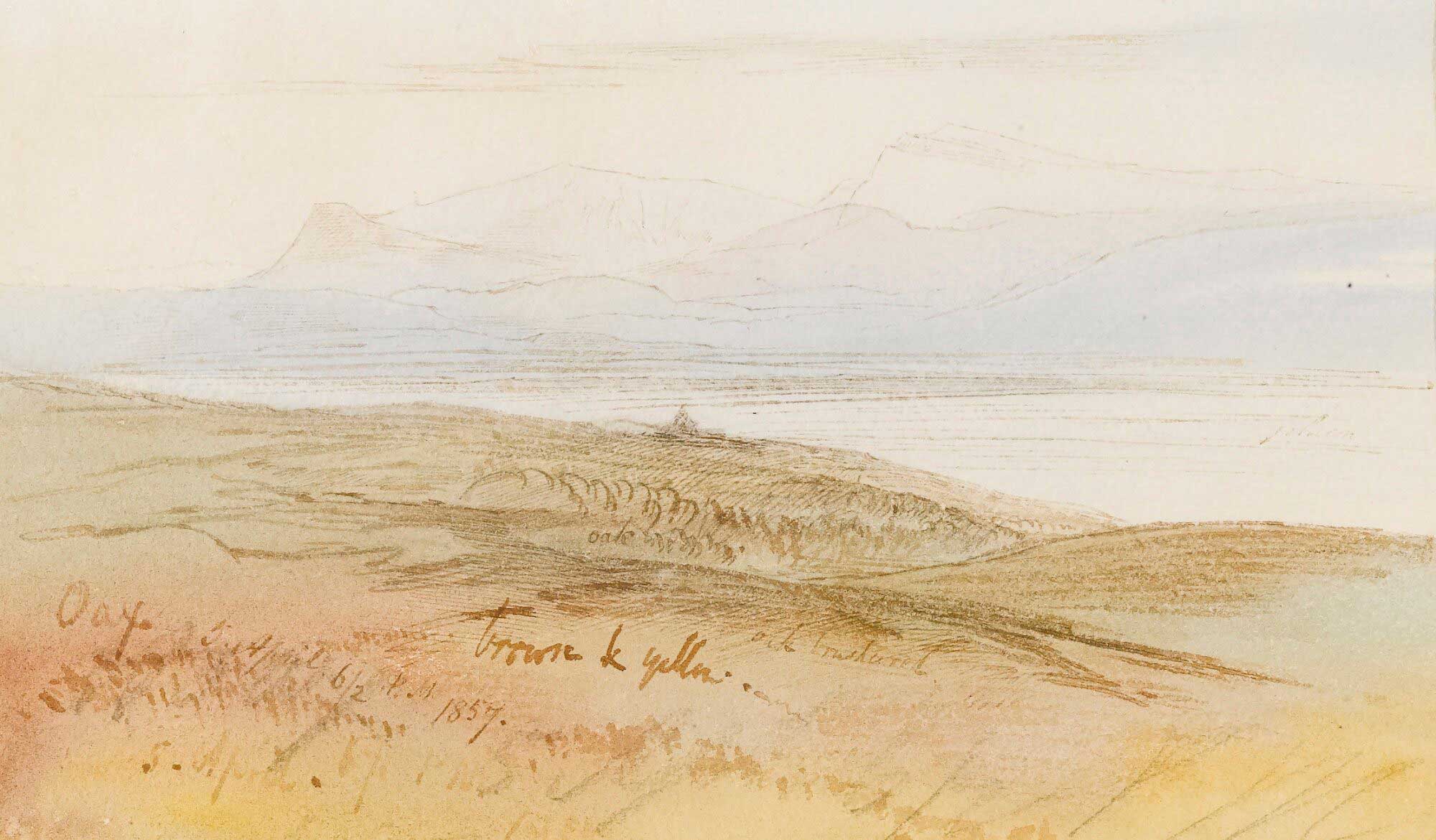
Edward Lear, The Valley of the Kalama (1857)

Edward Lear, The Valley of the Kalama.
Pen and brown ink and watercolour over pencil on paper. Inscribed with the artist’s colour notes and dated: 5 April 6/7pm 1857. 14 by 23cm., 5 by 8½ in. Executed in 1857.

Provenance
Sotheby’s, London, 16 November 1980, lot 19

Sotheby’s.

Posted in Edward Lear | Tagged , , , , | Leave a comment

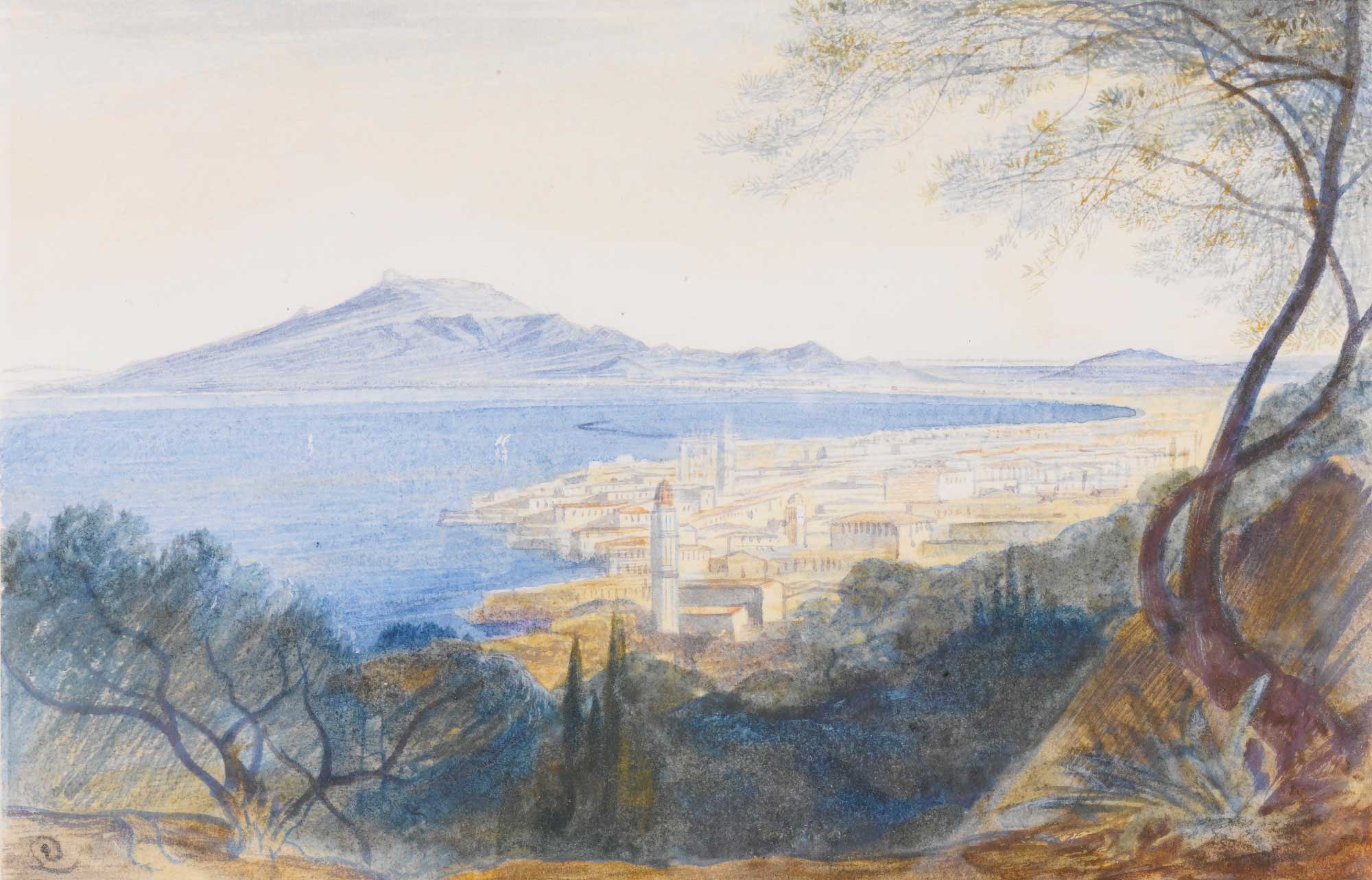
Edward Lear, Zante

Edward Lear, Zante.
signed with artist’s monogram (lower left). Watercolour over pencil heightened with bodycolour on paper. 11.5 by 18.5cm., 4½ by 7in. Executed circa 1863.

Provenance
Agnews, London, until 1990

Zante is situated eight miles south of Cephalonia and is one of the Ionian islands. The present watercolour shows a view of the town of Zante (or Zakynthos) from the foothills of Mount Skopos.
Lear was introduced to Corfu and the Ionian islands, then under British protectorate, by Sir George Ferguson Bowen in 1848. He re-visited the area in the spring of 1863, when he took two months to tour the islands.
The present watercolour can be dated to this second tour, as he only started using a monogram to sign his works after 1858. He visited Zante at the end of May 1863 and spent a few days sketching there.

Sotheby’s.

Posted in Edward Lear | Tagged , , , , | Leave a comment

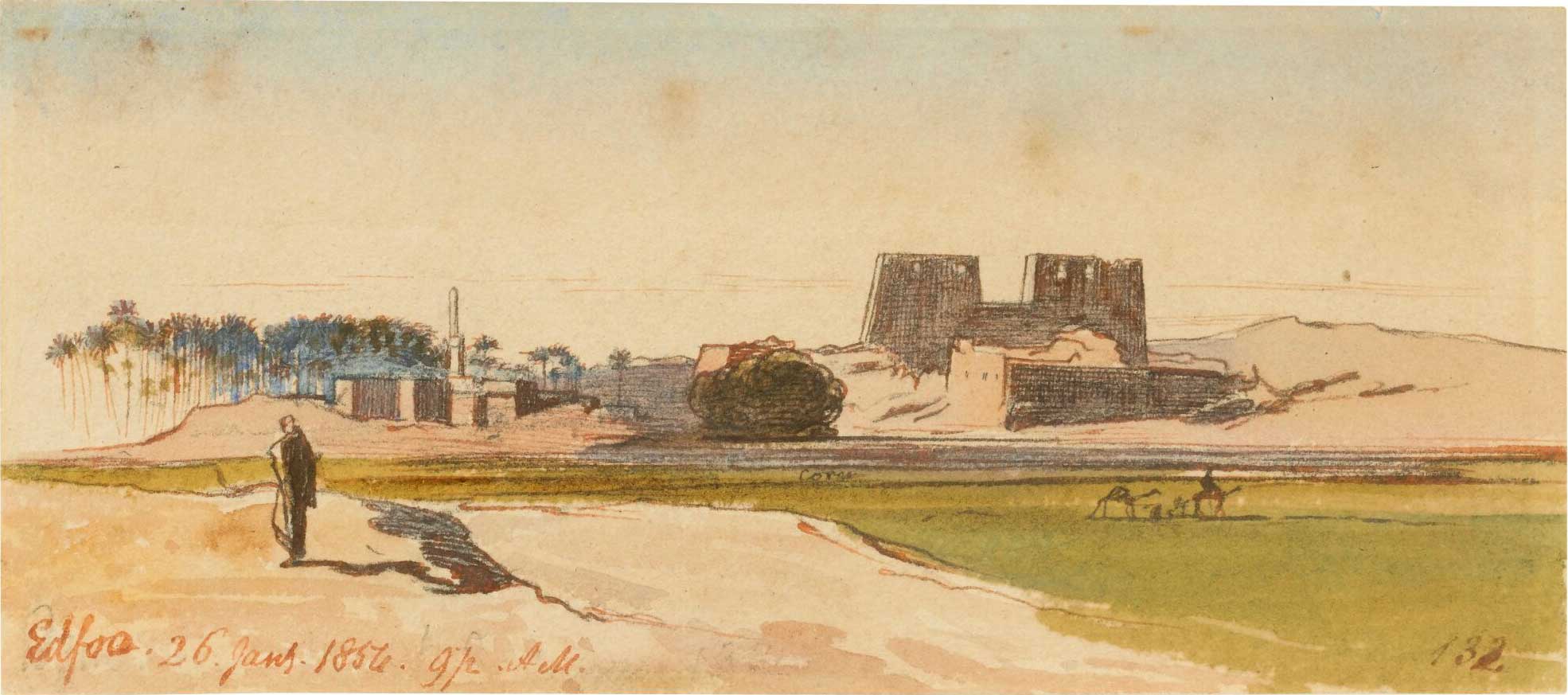
Edward Lear, View of Edfu, Egypt (1854)

Edward Lear, View of Edfu, Egypt.
Pen and brown ink and watercolour over traces of pencil; inscribed lower left: Edfoo.26. Janr.1854 .9 ½ .A.M. 132, and further inscribed with the artist’s colour notes. 68 by 152 mm.

Lear drew this watercolour on 26th January 1854 while on his second expedition to Egypt.  During this tour he travelled by boat up the Nile, stopping at ancient landmarks such as Kom Ombos, Silsilis and Edfu.  Lear was captivated by the astonishing Egyptian scenery and remarked ‘in no place, it seems to me, can the variety and simplicity of colours be so well studied.’1
1. Edward Lear, Diary, 25 February 1867

Sotheby’s.

Posted in Edward Lear | Tagged , , , , | Leave a comment

Late Summer Reading

Uglow, Jenny. “The Quangle Wangle’s Hat: Edward Lear in the Villa Emily, San Remo.” Lives of Houses. Eds. Kennedy, Kate and Hermione Lee. Princeton and Oxford: Princeton University Press, 2020. 95-108.

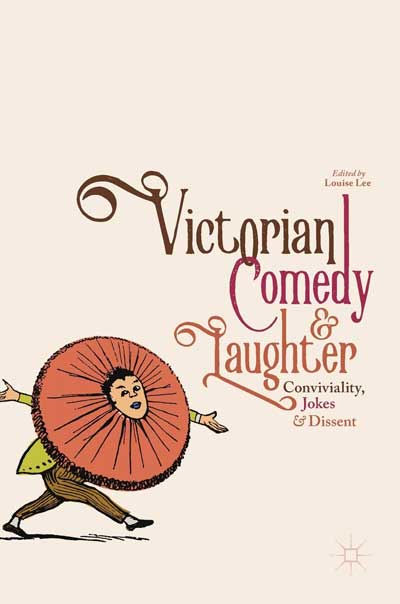
Swaab, Peter. “Edward Lear’s Travels in Nonsense and Europe.” Victorian Comedy and Laughter: Conviviality, Jokes and Dissent. Ed. Lee, Louise. London: Palgrave Macmillan, 2020. 75-105.

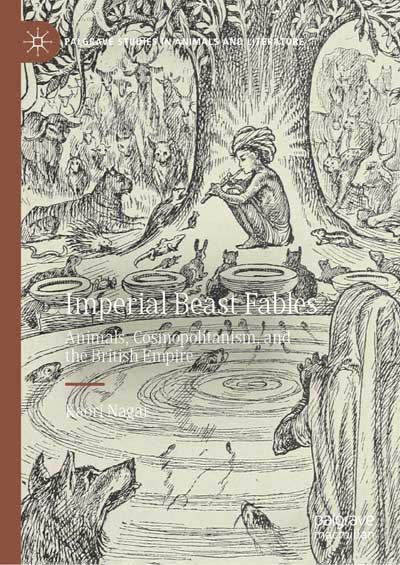
Nagai, Kaori. “Animal Alphabets: Chesterton’s Dog, Browning’s Rats, Lear’s Blue Baboon.” Imperial Beast Fables: Animals, Cosmopolitanism, and the British Empire. London: Palgrave Macmillan, 2020. 155-87. [Not seen.]

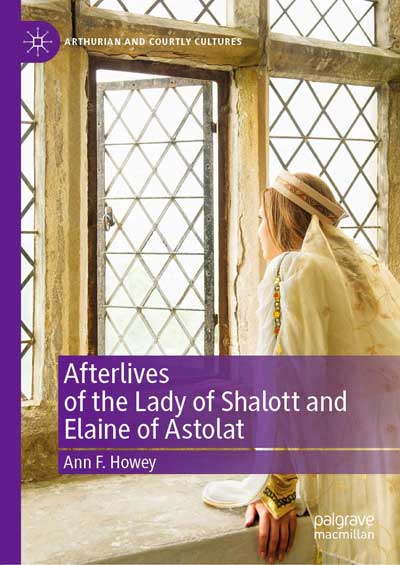
Howey, Ann F. “Singing Her Own Song: The Lady/Elaine in Music.” Afterlives of the Lady of Shalott and Elaine of Astolat. London: Palgrave Macmillan, 2020. 91-127. [Discusses Lear’s arrangement of “Song of Love and Death.” Not seen.]


Posted in Edward Lear | Tagged , , , , , | Leave a comment

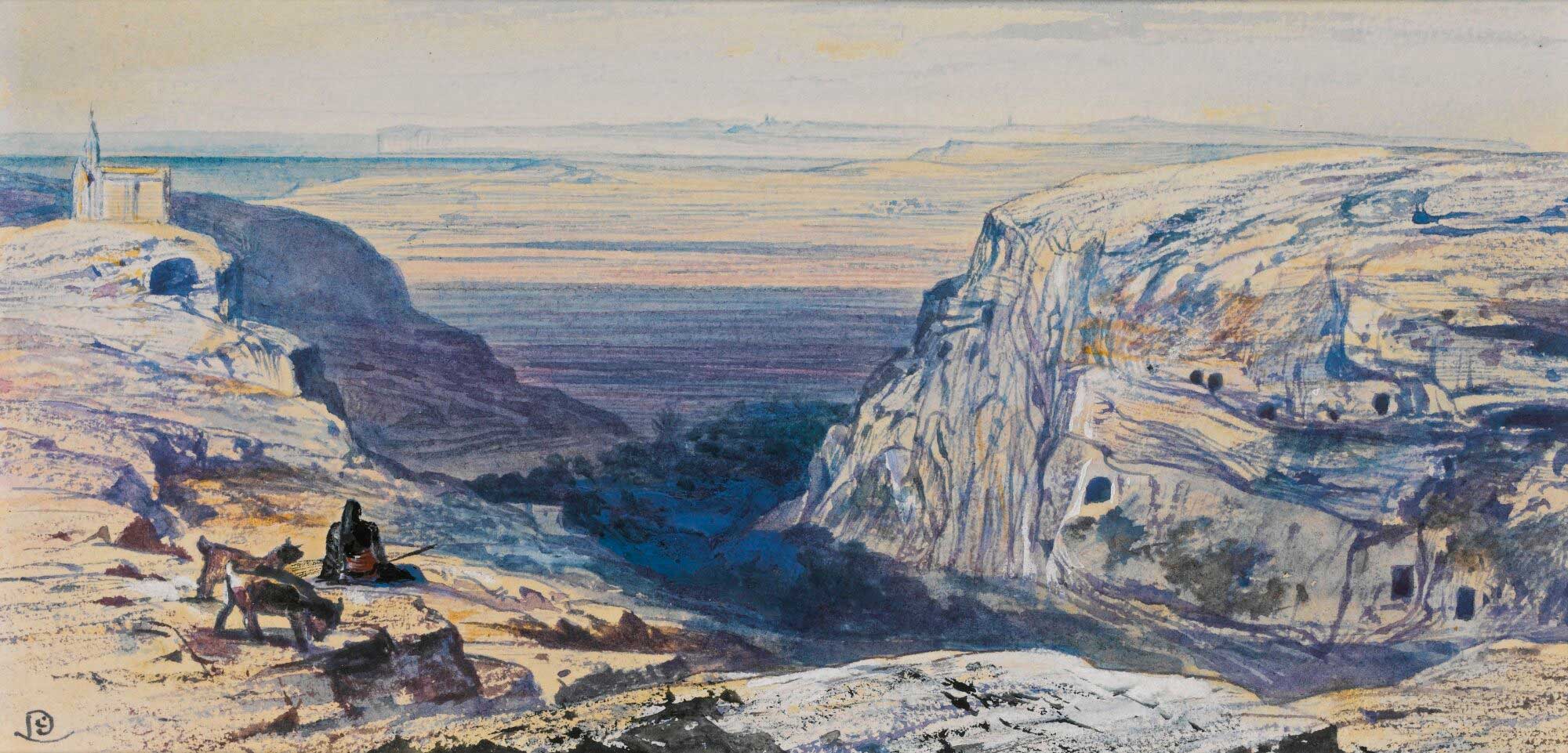
Edward Lear, The Bingemma Valley, Malta

Edward Lear, The Bingemma Valley, Malta.
Watercolour heightened with bodycolour; signed with the artist’s monogram lower left. 102 by 202 mm.

Provenance
With The Fine Art Society, 1988

Exhibited
London, The Fine Art Society, A Centenary Exhibition, 1988

In this watercolour Edward Lear looks north into the wooded valley of Bingemma, which is located in north-western Malta. Beyond, sunlit plains stretch away to the Mediterranean Sea, while to the left the 17th Century Kappella Bingemma stands precariously on its rocky out-crop. Dotted throughout the cliffs, are a series of enigmatic caves which are thought to have been dug out in pre-historic Phoenician times for the storage of food and materials.

Lear first visited Malta in 1848 and between then and 1866 he returned a further five times. He certainly explored the landscape of the present watercolour in 1854, as a drawing of the chapel and the surrounding valley survives in a private collection.

Sotheby’s.

Posted in Edward Lear | Tagged , , , , | Leave a comment

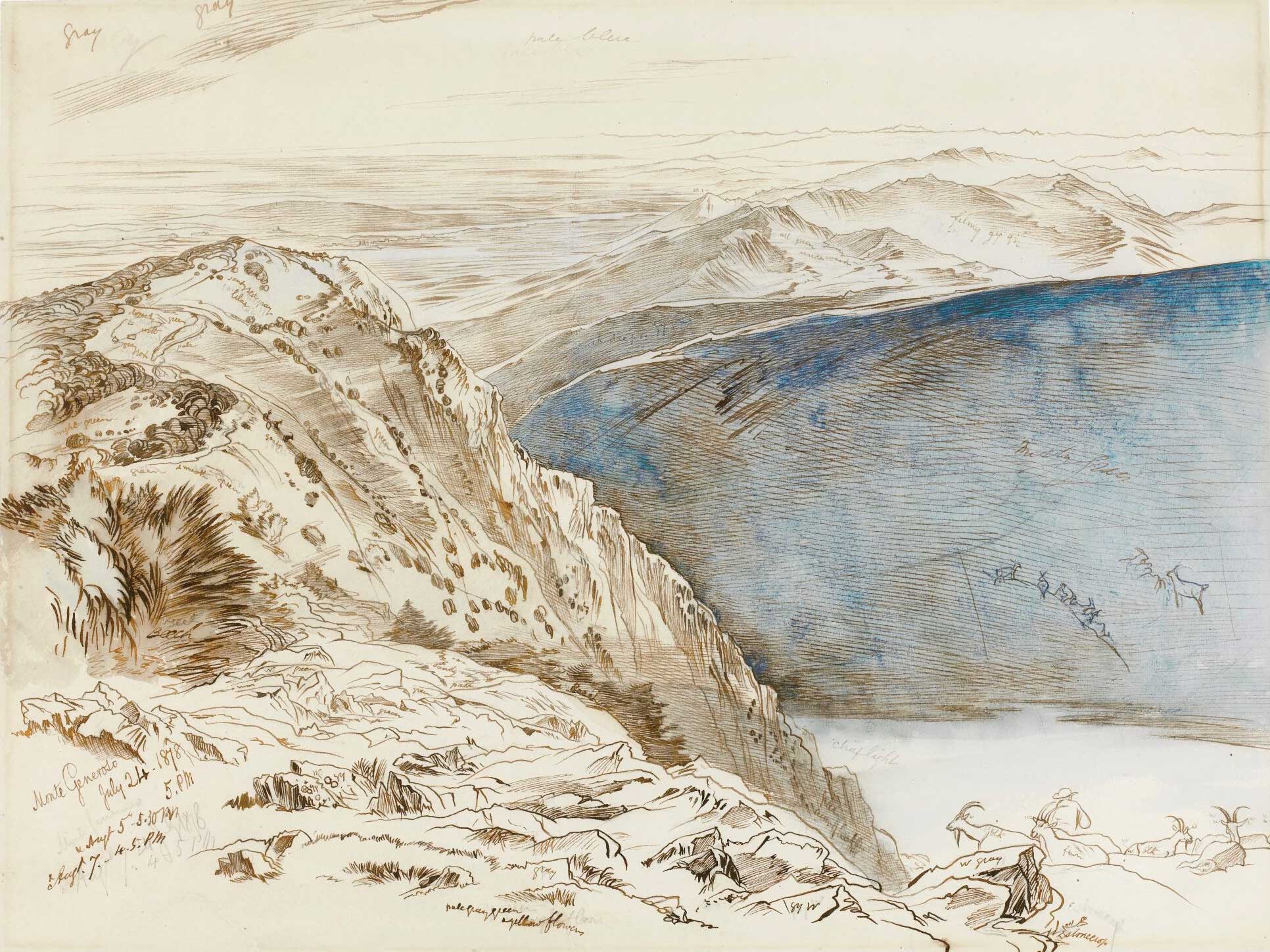
Edward Lear, Monte Generoso (1878)

Edward Lear, Monte Generoso.
Pen and brown ink and watercolour over pencil; inscribed both in pen and brown ink and pencil lower left: Monte Generoso / July 24. 1878 / 5 pm / & Aug 5 5.30. Aug 7. – 4.5 PM, further inscribed with the artist’s colour notes. 372 by 494 mm.

Provenance
Roger Pachman Hinks;
Peter Powell;
sale, London, Sotheby’s, 16 July 1981, lot 130;
with The Fine Art Society, London, 1987

Exhibited
London, The Fine Art Society, The Travels of Edward Lear, 1983, no. 19;
London, Royal Academy, Edward Lear 1812-1888, 1985, no. 36

Literature
V. Noakes, Edward Lear 1812-1888, London 1985, p. 122, p. 36

Monte Generoso is situated on the Italian-Swiss border to the west of Lake Como. Lear visited there for the first time in 1878 and was often to return during the summer months. He found the mountain scenery to be inspirational, and in a letter to his nephew he wrote that ‘the views near the hotel…are wonderful. There is one point from which you may (perhaps) see all the plains and lakes of Italy, besides the rivers Jordan, Mississippi & Amazon, the whole course of the Nile, – as well as the cities of Pekin, St. Petersburg & Copenhagen, not to speak of the straits of Jamaica & Joppa with the adjacent islands of Cappadocia, Ceylon and Islington.’1
Lear started work on the present work on 24th July, but the weather turned and the mountains were obscured by clouds. He returned twice more, on the 5th and 7th August, to finish.
1. V. Noakes, op. cit., p. 122, p. 36

Sotheby’s.
Posted in Edward Lear | Tagged , , , , | Leave a comment