Douglas-Fairhurst, Robert. The Story of Alice: Lewis Carroll and the Secret History of Wonderland. Cambridge (Mass): Harvard University Press, 2015.
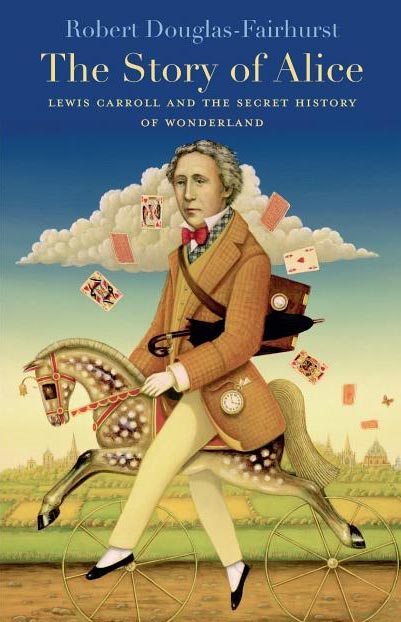
pp. 39-40:
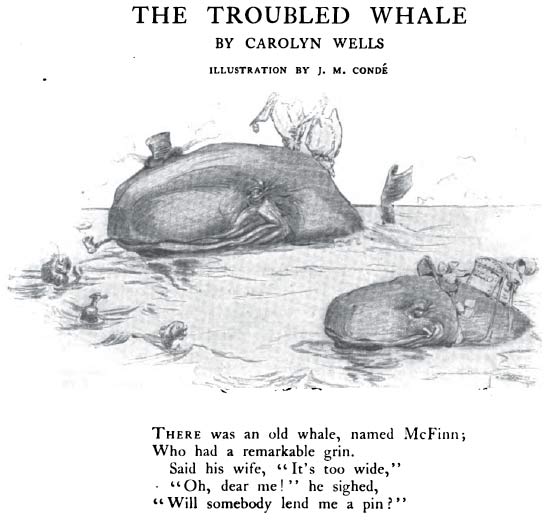
What makes Useful and Instructive Poetry espefcially useful and instructive in terms of Carroll’s later literary career is that it contains his only experiments in what would become one of the most popular forms of nonsense writing: limericks. Take the final two examples:
There was once a young man of Oporta,
Who daily got shorter and shorter,
The reason he said
Was the hod on his head,
Which was filled with the _heaviest_ mortar.
His sister named Lucy O’Finner,
Grew constantly thinner and thinner;
The reason was plain,
She slept in the rain,
And was never allowed any dinner.
Edward Lear’s earliest limericks were published in 1846, a year after Carroll’s experiments, so they cannot have been an influence unless Carroll saw them in manuscript, although similar poems had been published before (as lear acknowledged) in collections such as The History of Sixteen Wonderful Old Women (1820) and Anecdotes and Adventures of Fifteen Gentlemen (1821). A More significant question is why Carroll was drawn to the form at all. The likeliest answer is that it was another example of what could happen when imaginative freedom encountered formal restraint. Limericks seem to work through irresistible logic, because each one is a small but perfectly shaped world in which everything happens for a reason. Such forms are inevitabgly appealing to writers, who spend most of their lives trying to make artificial constractions look as natural as the air they breath, but on closer inspection both stories reveal themselves to be mere parodies of cause and effect. The ‘reason’ Carroll’s young man frows ‘shorter’ is because he is from a place called ‘Oporta’: the ‘reason’ Lucy grows ‘thinner and thinner’ is because her surname is ‘O’Finner’. What at first sight looks like logic turns out to be nothing more than an accident of language. If the man had been from Walway, he might have got stuck in the hallway; i fLucy had been the Hatter, she would probably {41} have grown fatter. Put another way, Carroll’s limericks show that if poems are a kind of game that depends upon sticking to the rules, a writer’s words are not simply counter he can shuffle around on the page like draughts. They are playthings with a life of their own.
pp. 167-169:
In Carroll’s case, the literary meeting that failed to happen were sometimes even more disappointing. It appears that he never met Edward Lear, for example, although they had friends such as Tennyson in common. However, one place they did keep bumping into each other was on the page, and critics of both writers have spent many fruitless hours trying to establish whether the number of common features in their work is the result of influence or accident: a ‘treacle-well’ (Carroll) and ‘deep pits of Mulberry Jam’ (Lear); ‘cats in the coffee and mice in the read’ (Carroll) and the Old Person of Ewell who made his gruel nice by ‘insert[ing] some mice’ (Lear); ‘the Owl and the Panther’ (CArroll) and ‘the Owl and the Pussy-cat’ (Lear); creatures that re ‘something like corkscrews’ (Carroll) and ‘the Fimble Fowl, with a corkscrew leg’ (Lear). Their uses of literary form were also intriguingly aligned. Many of Lear’s limericks, in particular, repeatedly open up little windows of escape before slamming them shut again:
There was an old man who screamed out
Whenever they knocked hi about:
So they took off his boots, and fed him with fruits,
And continued to knock him about.
This is funny, in the same way that a clown being repeatedly smacked on the head by a ladder is funny, but the impression that it is unavoidable is largely generated by lear’s chosen form. The Italian word stanza literally means a stopping place or a room, but here Lear has transformed it into something more like a prison cell, in which the alarmingly faceless ‘they’ have confined their victim. The rhymes hint at an alternative outcome, but this is denied by Lear’s self-imposed requirement that a limerick should always return to its starting point. So ‘screamed out’ leads to ‘knocked him about’, and ‘knocked him about’ produces ‘knock him about’, like a miniature version of the idea that violence breed more violence. But there is no way out.
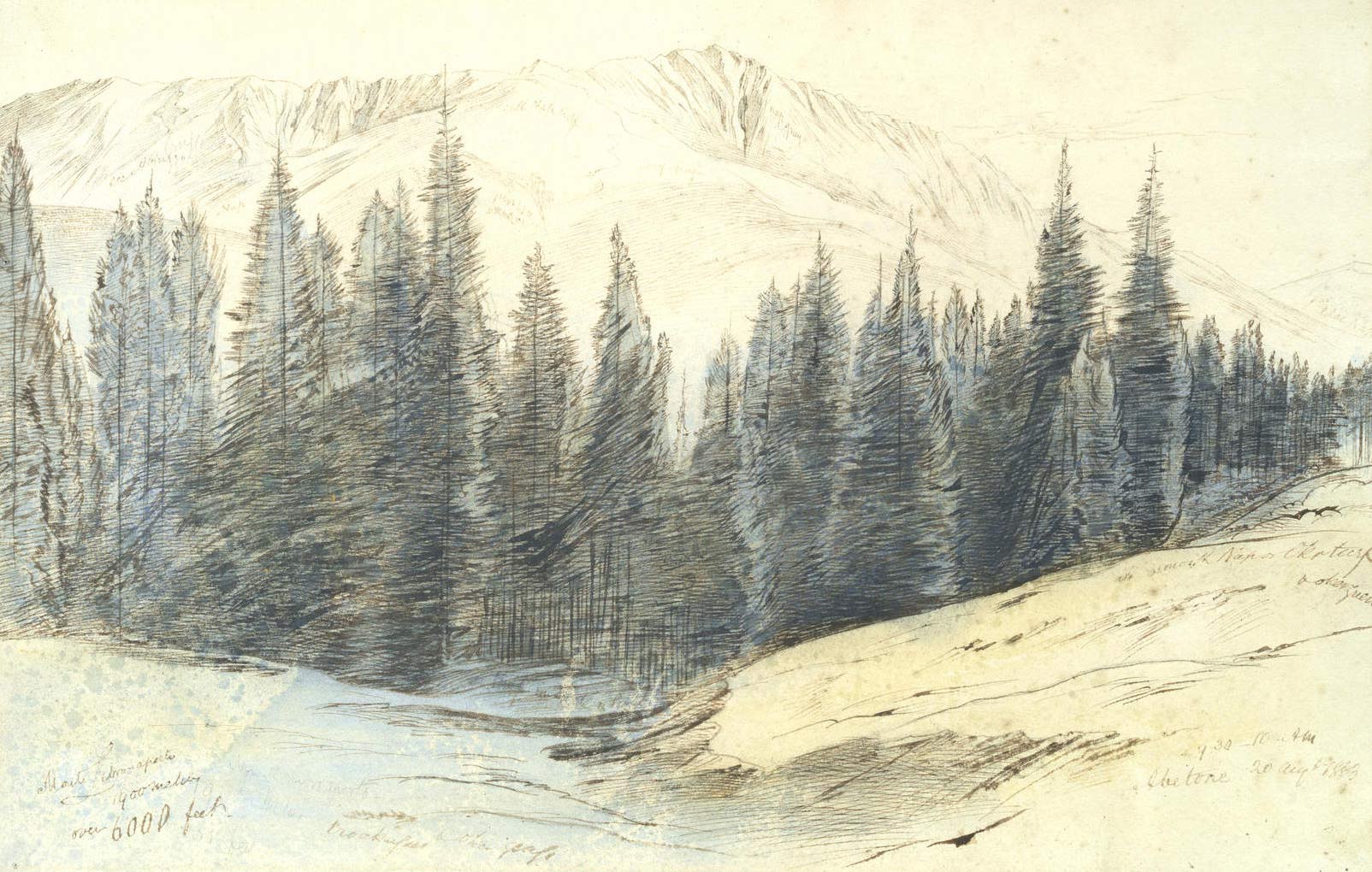
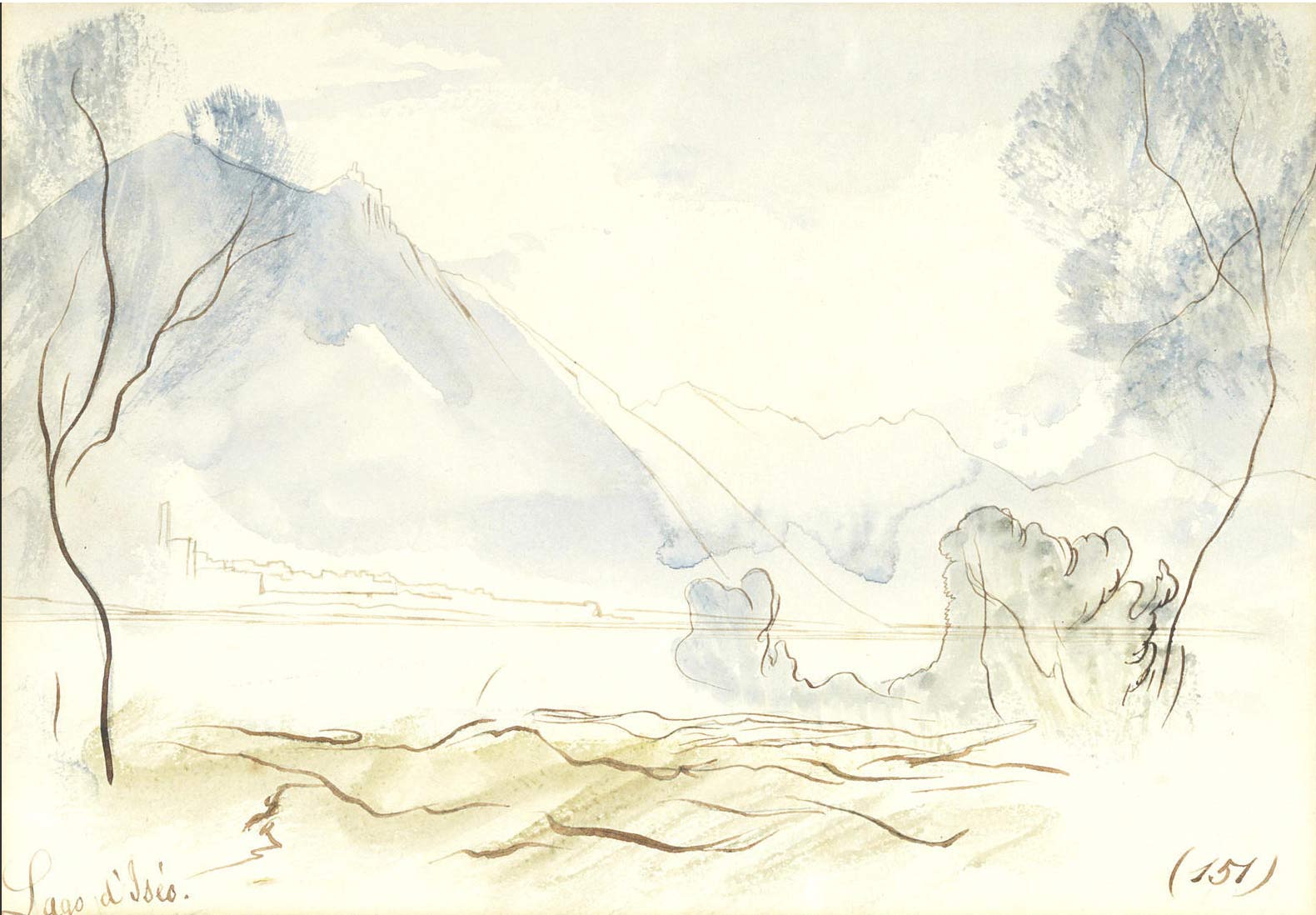
If Lear’s limericks allowed him to channel his fears of stagnation, his longer nonsense poems opened up more liberating alternatives. From the Jumblies to a Daddy Long-Legs, many of the creatures in his poems travel impossible distances and end up in destinations that exist only in the world of books. They go to sea in a sieve, or search for somewhere to play for evermore at battlecock and shuttledore — any place that will give odd couples and eccentric groups the opportunity to live happily ever after. To some extent they are all discuised versions of Lear himself, who spent his adult life wandering across Europe and the Middle East, pen and sketchbook in hand, and when he pictured himself as an animal usually chose a bird — a creature evolved for flight. Rearranged in alphabetical order, the full list of his destinations read more like the index to an atlas: Albania, Belgium, Corfu, Dardanelles, Egypt, France, Greece, Holland, Italy, Jerusalem…
By contrast, until the publication of Alice’s Adventures in Wonderland Carroll had never ventured further than the Isle of Wight. In 1856 he had composed a fifteen-page speech about th elife of Richard Hakluyt, the great Elizabethan travel writer and former Student of Christ Church, to be delivered at a college dinner. That set the tone for the next decade of his life, during which he was usually happier mapping out long hourneys in writing than taking them on in person. And then, in the summer of 1867, he agreed to undertake a two-month trip overland to Russia. It would only have been slightly more surprising if he had announced that he was to lead an expedition in search of the source of the Nile.
On the Edward Lear – Lewis Carroll connection, see these previous posts:
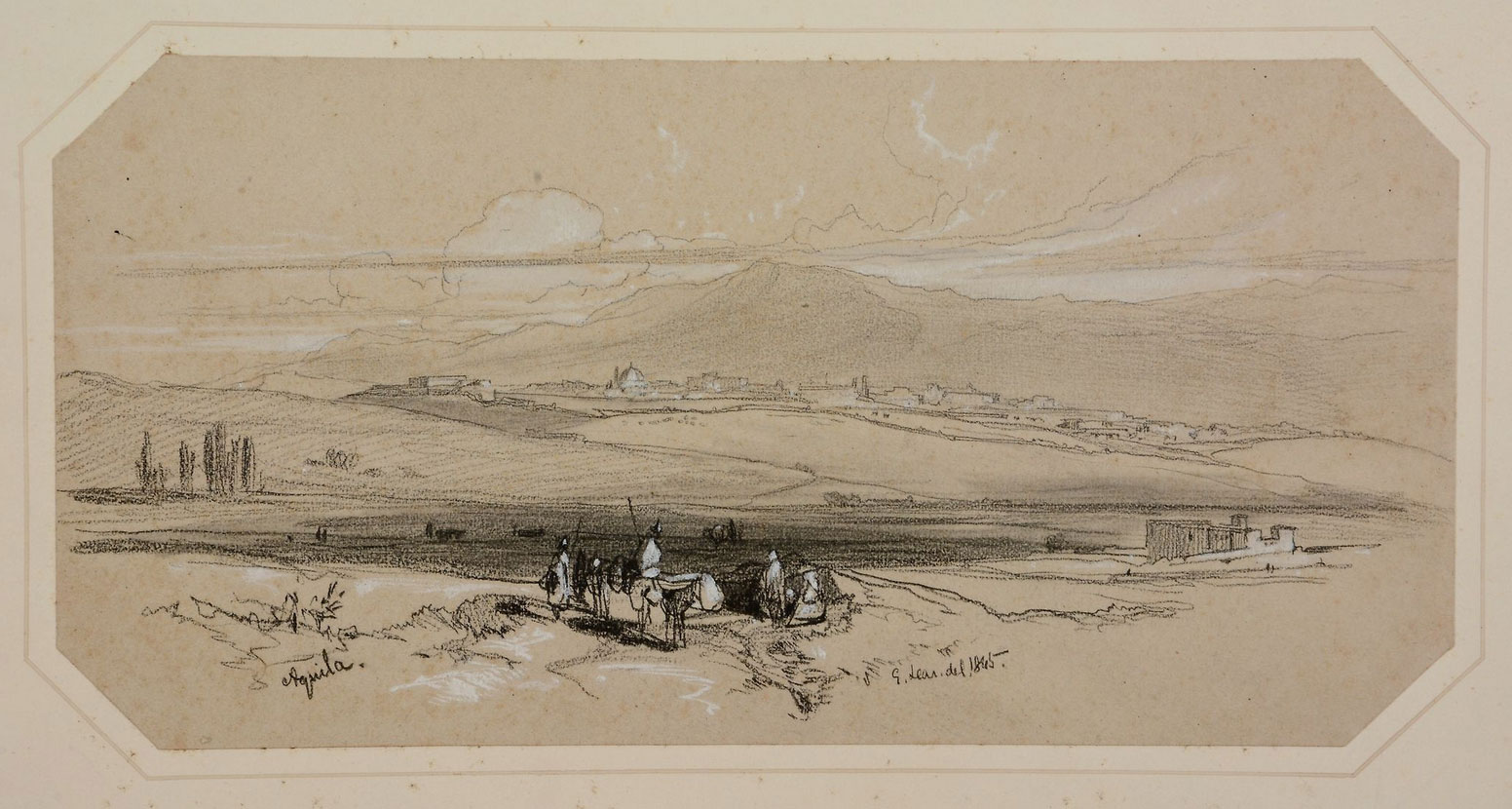
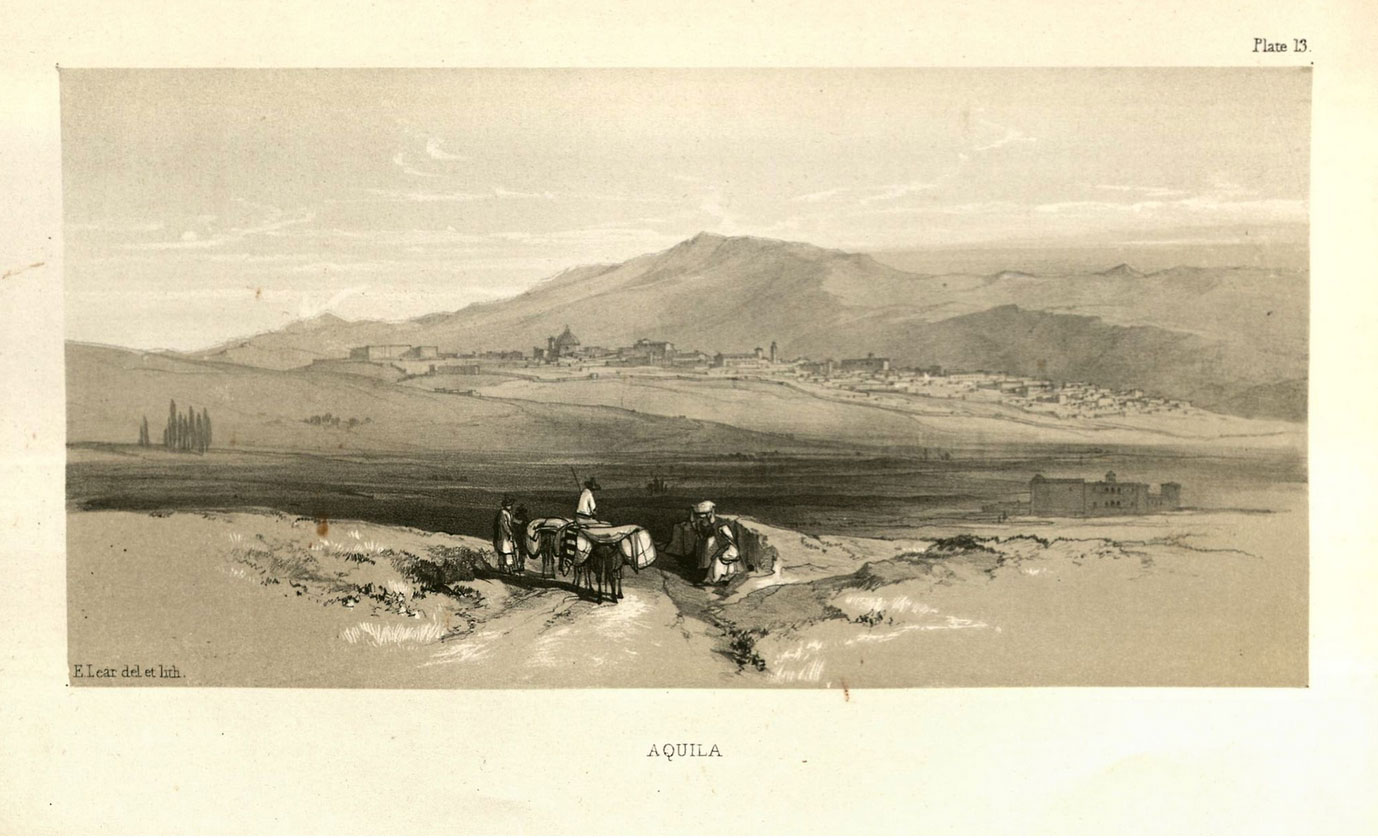
 A Blog of Bosh